
January Issue
What is Rare Disease Club?
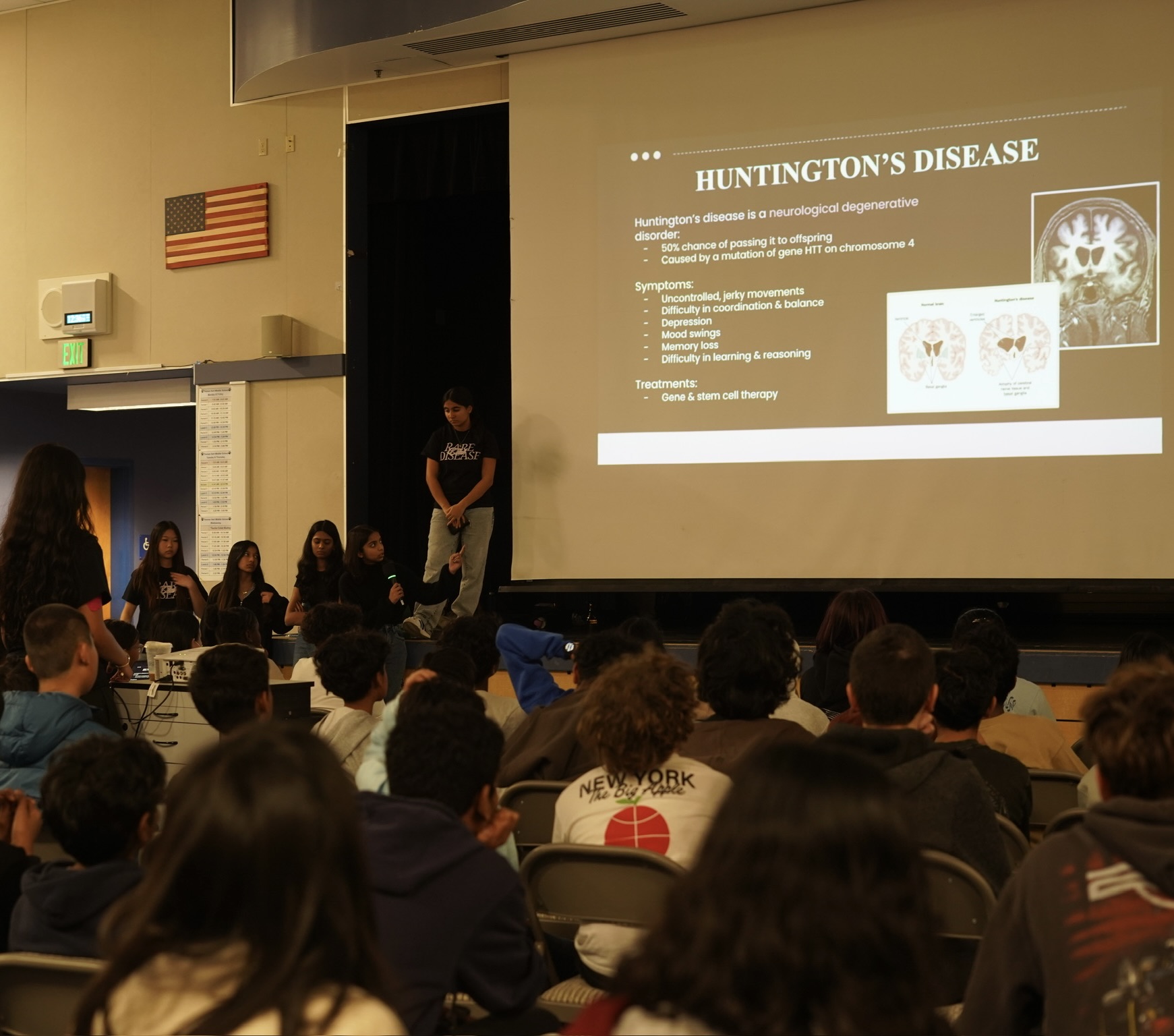
RDC (Rare Disease Club) is a 501(c)(3) nonprofit and is one of Foothill High School's most consistent and impactful clubs. Founded by driven juniors Parnika Khatri and Samhita Ramesh, the club has amassed over 80 members and tens of initiatives. In its creation, they found something that deserved more coverage and decided to take the wheel themselves. If the whole world wouldn't address and fight for rare diseases, they would, and they'd give their all.
Over the past few years, they've hosted numerous events where members can get involved and earn volunteer hours through advocacy/guest-speaking, card-making, bracelet workshops, and even hosting booths at pop-up markets to raise funds! But deeper than that? The club is always working towards more. More advocacy, more transparency, and a better understanding of rare diseases. To maximize their influence, RDC builds connections with charitable groups and nonprofits. Its shared efforts focus on launching targeted advocacy programs and resource drives specifically hosted to uplift the rare disease community.
Awareness isn't just something that's fleeting for them; instead, they are always expanding. Their latest motive, Mission 7K, strives to raise money for a family and their kids with rare diseases. By hosting fundraisers at restaurants and markets all for the good of this family, they are making an admirable, humanitarian impact. RDC isn't the type of club to stand by. In their work, they've aimed and hit the target: raise awareness about rare diseases, their impact on individuals and families, and create a student foundation in which everyone is welcome.
Fanconi Anemia
What is Fanconi Anemia?
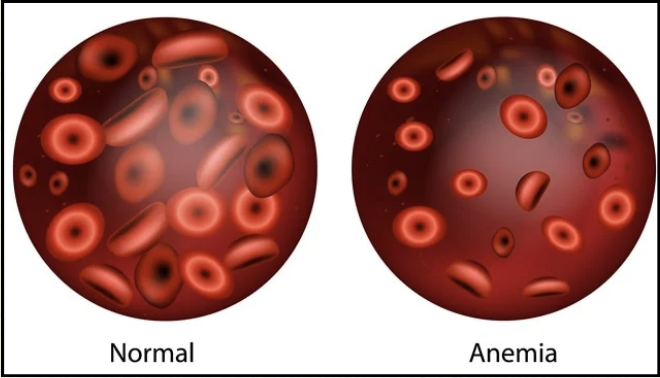
Fanconi Anemia is a rare condition that is distinguished by sightings of bone marrow failure, physical characteristics discrepancies, organ problems, and a high escalation of cancer possibilities. However, Fanconi Anemia is mostly associated with the failure of bone marrow, leading to a reduction of production of blood cells. These individual blood cells have their own important responsibility for the body. This includes a degradation of red blood cells, which carry oxygen to tissues in the body.
These continuous issues can lead to serious damage of tissues in the body. Not only does this affect red blood cells, white blood cells that help with one's immune system and combat viruses are affected. In other words, the white blood cells that are supposed to help you get better are getting worse. Overall, this disease results in a sudden drop in blood cell creation.
Not to mention, this rare condition leads to a decrease in platelets that help regulate blood clotting. Without platelets in presence, your body cannot create blood clots to prevent bleeding. This paves the damaging way of excessive bleeding and perceptible bruising.
What are the Causes?
Fanconi Anemia can be inherited and caused by mutations in various genes, AKA, FA genes. An individual is diagnosed with this disease when a mutation occurs in one in 23 chances, of these genes. Patients are diagnosed with Fanconi Anemia from their parents. However, both parents of the child require the same FA gene in order for the child to have the rare disease. The parents are known as carriers of the mutated gene, but they do not have Fanconi Anemia themselves.
What are the Symptoms?
Patients have symptoms ranging from vast fatigue because of the reduction of red blood cells. Previously mentioned from before, the supposedly white blood cells that were originally purposed for protecting you from infections, are now slowly diminishing. This results in the patient getting more sick and having more bacteria in their system. This is preventing individuals from obtaining a healthy body in and out.
Additionally, patients are seen with blood clotting issues and excessive blood production. This can lead to more bruising and internal hemorrhages, and some can even occur in areas of the brain. Other symptoms include growth difficulties prior to being born or following birth — usually developing short stature. Short stature is defined as one having a height vastly below the average for a child's age and gender.
Furthermore, patients can also experience irregular skin coloring. Examples include cafe-au-lait spots, which are darker colored patches compared to the skin and pigmentation. Another system includes thumb and arm defects. This is the result of skeletal problems. Also seen in patients are an abnormally smaller head than what is usually expected.
Physically, patients can be seen with eye defects that lead to abnormally shaped eyes. Unfortunately, some patients are also seen with deformed or even missing kidneys.
What are some Treatments?
Treatment includes a bone marrow transplant. In this procedure, blood stem cells are removed from a healthy donor, who is usually related to the patient, in substitution for the children's affected stem cells.
Another method is growth factors. These are substances that assist the body to produce more red and white blood cells, which are crucial for regulation.
Additionally, Androgen therapy, which involves male hormones, can again assist the body to produce more red blood cells, and even platelets. There is no guarantee, but surgery can possibly help correct issues.